
Weight Loss vs Fat Loss and Why Body Composition Matters
 Weight loss is a common goal for adults working towards better health. However, the number on the weighing scale does not always show the full picture. Your body weight includes fat, muscle, water, bones and other tissues. A change in weight does not always mean a change in body fat.
Understanding weight loss vs fat loss can help you set better health goals. Weight loss refers to a reduction in total body weight, while fat loss focuses on reducing stored body fat. These changes can happen at different rates and may affect your body in different ways.
This is where body composition becomes important. It provides a broader view of your progress by showing how much of your body weight comes from fat and lean tissue. With balanced nutrition, adequate protein and regular physical activity, you can work towards healthier body composition and sustainable weight management.
What Is the Difference Between Weight Loss and Fat Loss?
Weight loss and fat loss are closely related, but they do not mean the same thing. Understanding the difference can help you make more informed decisions about your health.
Weight loss means reducing your overall body weight. This reduction can come from body fat, muscle mass, water weight or a combination of these components.
Fat loss means reducing the amount of stored fat in your body. The goal is often to reduce excess body fat while maintaining lean muscle mass.
For example, two people may have the same body weight but different amounts of muscle and body fat. One person may have more muscle, while the other may have a higher proportion of body fat.
This is why weighing less does not always mean having better body composition. Looking beyond the scale can provide a clearer understanding of your health and fitness progress.
What Is Body Composition?
Body composition describes the different components that make up your total body weight. It gives you more information than a standard weighing scale.
The main components include:
- Body fat: Fat stored in the body for energy, insulation and normal functions.
- Muscle mass: Muscle tissue that supports movement, strength and physical activity.
- Bone mass: The weight of the bones that support and protect your body.
- Body water: Water found inside and outside cells that supports normal body functions.
The proportion of these components can vary between individuals. Age, genetics, activity levels, nutrition and lifestyle habits can all influence body composition.
For example, someone who performs regular strength training may have more muscle than someone who is less active. Both people may have a similar body weight, but their body composition can be different.
Understanding these differences helps you focus on overall health rather than chasing a lower number on the scale.
Why the Number on the Scale Does Not Tell the Whole Story
A weighing scale measures your total body weight. It cannot identify how much of that weight comes from fat, muscle or water.
Several factors can affect your weight throughout the day, including:
- Changes in water retention
- Salt intake and hydration
- Food and drinks in your digestive system
- Hormonal changes
- Exercise and muscle recovery
- Changes in muscle and fat mass
For example, your weight may increase after eating a salty meal because your body retains more water. This does not mean you have gained the same amount of body fat.
Similarly, regular exercise may help you maintain or build muscle while reducing body fat. Your weight may change slowly even when your body composition is improving.
Therefore, avoid judging your progress by a single scale reading. Tracking longer-term changes can provide a more useful picture of your results.
Why Fat Loss Matters for Healthy Body Composition
Body fat plays several important roles in the body. It stores energy, protects organs, provides insulation and supports hormone production. However, excess body fat can affect overall health.
Reducing excess body fat may support several areas of wellness.
Some potential benefits include:
- Supporting metabolic health: Managing excess body fat can support healthier metabolic markers.
- Maintaining physical function: Preserving muscle helps support strength, balance and everyday movement.
- Supporting mobility: A healthier body composition can help support comfortable movement and physical activity.
- Promoting long-term wellness: Managing excess body fat may help reduce certain weight-related health risks.
However, the goal should not be to eliminate body fat completely. Your body needs a healthy amount of fat to perform normal functions.
A balanced approach focuses on managing excess fat while supporting muscle health and overall nutrition.
How to Lose Fat While Maintaining Muscle Mass
When working towards better body composition, reducing excess body fat while maintaining muscle is important. Losing weight too quickly or following restrictive eating plans may increase the risk of losing lean muscle.
A balanced routine can help support healthier progress.
1. Include Enough Protein in Your Diet
Protein supports muscle maintenance, repair and recovery. It also helps you feel satisfied after meals.
Include protein-rich foods in your daily meals, such as:
- Eggs, chicken and fish
- Greek yoghurt and cottage cheese
- Beans, lentils and chickpeas
- Milk and other dairy products
- Tofu and other soy-based foods
Your protein needs depend on your age, activity level, health and personal goals. A healthcare professional or registered dietitian can help you determine an appropriate intake.
2. Add Strength Training to Your Routine
Strength training helps maintain and build muscle. It is also an important part of improving body composition.
You can begin with simple exercises such as squats, lunges, push-ups and resistance band movements.
Choose exercises that match your fitness level. Increase the intensity gradually as your strength improves.
3. Avoid Extreme Calorie Restriction
Eating too little can make it difficult to meet your nutritional needs. It may also affect muscle maintenance, energy and recovery.
Instead, focus on balanced meals and appropriate portion sizes. Include protein, vegetables, whole grains and healthy fats.
A moderate and sustainable calorie deficit may support gradual fat loss without unnecessary dietary restrictions.
4. Stay Active and Get Enough Sleep
Regular movement supports overall health and helps maintain an active lifestyle.
Walking, swimming, cycling and other enjoyable activities can become part of your routine.
Sleep also matters. Good sleep supports recovery, energy and healthy appetite regulation. Try to maintain a regular sleep schedule and allow your body enough time to rest.
How to Track Body Composition and Measure Progress
Tracking progress can help you understand how your body responds to changes in nutrition and physical activity. However, using only one measurement may provide an incomplete picture.
Consider these methods:
Body weight: Check your weight under similar conditions and focus on changes over several weeks rather than daily readings.
Waist measurements: Measuring your waist can help track changes in abdominal size. Use the same measuring position each time.
Body composition assessments: Some devices estimate body fat and lean mass. These include bioelectrical impedance scales and other assessment methods. Results can vary with hydration and testing conditions.
Strength and fitness: Notice whether you can lift more weight, complete more repetitions or perform everyday activities with greater ease.
Clothing fit: Changes in how your clothes fit may reflect changes in body shape, even when your weight stays similar.
Using several methods together can provide a broader view of your progress.
Why Protein and Lean Muscle Matter During Weight Management
Lean muscle supports movement, strength and everyday physical function. It also plays a role in energy use.
During weight loss, some muscle may be lost along with body fat. This is why nutrition should remain a priority throughout your weight management journey.
Protein provides the building blocks needed for muscle maintenance and repair. Combining adequate protein with strength training and balanced nutrition can help support lean muscle.
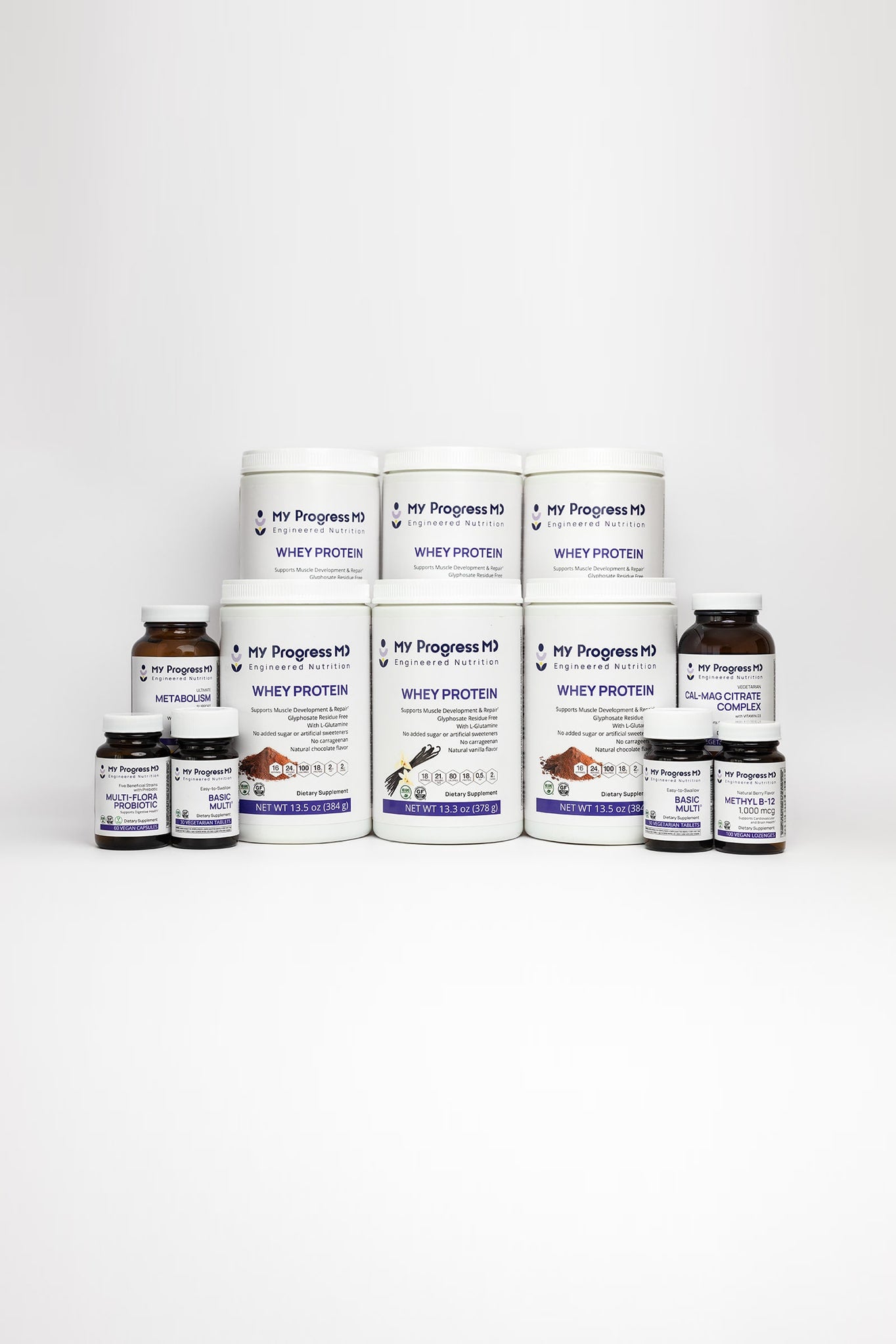
My Progress MD follows a protein-first nutrition approach. Its Weight Loss Support Program focuses on protein intake and targeted nutritional support as part of a structured approach to weight management.
The aim is to support nutritional consistency while working towards healthier body composition.
Common Mistakes to Avoid When Trying to Lose Fat
Some common weight management habits can make it harder to maintain muscle and achieve sustainable progress.
Watch out for these mistakes:
- Focusing only on scale weight: This does not show changes in body fat and muscle.
- Skipping protein-rich foods: Low protein intake may make muscle maintenance more difficult.
- Avoiding strength training: Cardio is useful, but resistance exercise also supports muscle health.
- Following restrictive diets: Extreme eating plans may create nutritional gaps and become difficult to maintain.
- Expecting quick results: Body composition changes take time and vary between individuals.
- Ignoring recovery: Poor sleep and limited rest can affect energy and exercise performance.
A consistent routine is more useful than short-term changes that are difficult to maintain.
How to Build a Sustainable Healthy Weight Management Routine
Healthy weight management is not about following a perfect diet for a few weeks. It involves developing habits that support your health over time.
Start with balanced meals that include adequate protein, fibre, healthy fats, vitamins and minerals. Add regular physical activity and include strength training when appropriate.
Stay hydrated throughout the day and maintain a consistent sleep routine. These habits can support energy, recovery and overall wellness.
You should also review your progress regularly. If your routine is difficult to maintain, make practical changes instead of returning to restrictive diets.
A structured approach can help you stay consistent and focus on improvements beyond the weighing scale.
My Progress MD and Better Body Composition
My Progress MD focuses on nutritional support for adults working towards healthier weight management and metabolic wellness.
Its Weight Loss Support Program uses a structured approach built around protein-first nutrition and selected nutritional supplements. The programme includes whey protein as a foundation, with additional nutritional support options based on individual needs.
Protein intake is an important consideration during weight management because it supports muscle maintenance and nutritional consistency.
For adults working towards better body composition, the focus should be on more than reducing total body weight. Balanced nutrition, regular movement and sustainable lifestyle habits all have an important role.
Explore My Progress MD to learn more about nutritional support for your wellness goals.
Conclusion
Understanding weight loss vs fat loss can help you make better decisions about your health. Weight loss measures a reduction in total body weight, while fat loss focuses on reducing stored body fat. Both are different, and the weighing scale alone cannot show how your body is changing.
A balanced approach should focus on maintaining lean muscle, eating enough protein, staying active and building sustainable habits. Tracking body composition alongside weight, strength and waist measurements can provide a clearer picture of your progress.
At My Progress MD, we believe healthy weight management involves more than simply eating less. Protein-first nutrition and consistent nutritional support can help support lean muscle and long-term metabolic wellness.
Explore our Weight Loss Support Program to learn more about building a structured approach to your nutrition and wellness goals.
Frequently Asked Questions
1. What is the main difference between weight loss and fat loss?
Weight loss means reducing total body weight, including fat, muscle and water. Fat loss means reducing stored body fat. Maintaining lean muscle while reducing excess body fat can support healthier body composition.
2. Can you lose fat without losing weight?
Yes. You can lose body fat while maintaining or gaining muscle. This may result in little change in total body weight, even when your body composition and physical fitness improve.
3. Why is body composition important?
Body composition shows the proportion of fat and lean tissue in your body. It provides more information about physical changes than body weight alone and can help you track progress towards healthier body composition.
4. Does eating more protein help with fat loss?
Protein supports muscle maintenance and helps you feel satisfied after meals. When combined with balanced nutrition and regular exercise, adequate protein intake can support healthy body composition during weight management.
5. Is strength training important for fat loss?
Yes. Strength training helps maintain and build muscle. It can support better body composition, especially when combined with appropriate nutrition and regular physical activity.