
How Nutrition Supports Women's Hormonal Wellness

Women's bodies go through many changes throughout life. Hormones play an important role in these changes. They help regulate the menstrual cycle, metabolism, energy levels, mood, sleep, and reproductive health. A balanced diet can support these normal body functions and contribute to overall wellness.
Nutrition for hormonal wellness focuses on providing the body with essential nutrients. It does not require following a strict diet or avoiding entire food groups. Instead, it involves eating balanced meals, getting enough protein, choosing healthy fats, and including fibre-rich foods in daily meals.
Every woman's nutritional needs are different. Age, activity level, lifestyle, and life stage can all influence these needs. Understanding the connection between nutrition and hormones can help women make informed choices for their long-term health.
What Is Hormonal Wellness?
Hormonal wellness refers to supporting the body's normal hormone-related functions. Hormones are chemical messengers that travel through the bloodstream and help regulate different processes.
They influence several important functions, including metabolism, reproductive health, sleep, appetite, and energy levels. The endocrine system produces these hormones and helps maintain communication between different organs.
Nutrition plays an important role in supporting these processes. The body needs adequate protein, healthy fats, vitamins, and minerals to carry out normal physiological functions.
A balanced approach to women's nutrition can help support overall health at different stages of life. However, nutrition alone cannot correct every hormonal concern or replace medical treatment when needed.
How Nutrition Supports Women's Hormonal Wellness
Food provides the nutrients the body needs to maintain normal functions. A balanced eating pattern can support metabolism, digestive health, energy production, and reproductive wellness.
Protein provides amino acids that support tissue repair and enzyme production. Healthy fats provide essential fatty acids and help the body absorb certain vitamins. Vitamins and minerals also support many processes involved in normal hormone activity.
A nutritious eating pattern can support:
- Normal hormone production and function.
- Healthy metabolism and energy levels.
- Digestive and gut health.
- Normal reproductive functions.
- Muscle and bone health.
- Overall physical and mental wellness.
Rather than focusing on one specific food, women should aim for variety and consistency in their daily meals.
Essential Nutrients for Hormonal Wellness
Different nutrients perform different roles in the body. Getting enough of these nutrients through a varied diet is an important part of hormonal wellness nutrition.
Protein for Hormone-Related Body Functions
Protein supports tissue growth, repair, muscle maintenance, and enzyme production. It provides amino acids that the body uses for many essential processes.
Including protein in regular meals can also support fullness and help maintain muscle mass.
Good protein sources include eggs, fish, lean poultry, yoghurt, milk, lentils, beans, tofu, and nuts.
Women should aim to include suitable protein sources throughout the day based on their individual nutritional requirements.
Healthy Fats for Hormone Production
Dietary fats provide energy and help the body absorb vitamins A, D, E, and K. Essential fatty acids also support normal cell function and other important body processes.
Healthy fat sources include:
- Avocados.
- Olive oil.
- Almonds and walnuts.
- Chia and flaxseeds.
- Fatty fish such as salmon.
- Pumpkin and sunflower seeds.
Removing all fats from the diet is not a healthy approach. Choosing nutritious fat sources and eating balanced portions can better support overall wellness.
Fibre for Digestive and Metabolic Health
Fibre supports regular bowel movements and digestive health. It also helps maintain healthy blood glucose levels and supports beneficial gut bacteria.
A fibre-rich diet can be particularly useful as part of a balanced approach to women's wellness.
Good sources include oats, whole grains, apples, berries, broccoli, lentils, chickpeas, and leafy vegetables.
Increasing fibre intake gradually and drinking enough water can help support comfortable digestion.
Iron for Energy and Normal Body Functions
Iron helps the body produce haemoglobin, which carries oxygen through the blood. Women who menstruate may have higher iron requirements because of monthly blood loss.
Iron-rich foods include spinach, lentils, beans, lean meat, tofu, and fortified cereals.
Pairing plant-based iron sources with vitamin C-rich foods, such as oranges, tomatoes, and bell peppers, can improve iron absorption.
Women experiencing persistent fatigue or heavy menstrual bleeding should discuss their iron levels with a healthcare professional.
Magnesium for Muscle and Nerve Function
Magnesium supports muscle function, nerve signalling, energy production, and normal blood glucose regulation.
It is also involved in many processes that help the body maintain normal physiological functions.
Useful food sources include almonds, cashews, pumpkin seeds, spinach, black beans, and whole grains.
Including these foods in regular meals can help women meet their daily magnesium needs.
Vitamin D and Calcium for Bone Health
Vitamin D and calcium work together to maintain strong bones. Calcium also supports muscle function, while vitamin D helps the body absorb calcium.
These nutrients become particularly important as women age and experience changes in bone health.
Good sources include milk, yoghurt, fortified plant-based milk, cheese, sardines, salmon, and eggs.
How Hormonal Changes Affect Nutritional Needs
Women's nutritional requirements can change throughout life. Menstruation, pregnancy, perimenopause, and menopause can all influence nutritional needs.
Understanding these changes can help women make better food choices.
Nutrition During the Menstrual Years
During the reproductive years, women need adequate iron to replace what is lost through menstruation. Protein, fibre, healthy fats, and other essential nutrients also remain important.
Some women experience changes in appetite and food preferences during different phases of their menstrual cycle.
Eating regular, balanced meals and including nutrient-rich foods can help support energy levels and overall wellness.
Nutrition During Pregnancy
Pregnancy increases the body's need for certain nutrients. Folate, iron, iodine, calcium, and protein are important for maternal health and the developing baby.
Women who are pregnant or planning a pregnancy should seek personalised nutritional guidance. A healthcare professional can recommend suitable foods and supplements based on individual needs.
Nutrition During Perimenopause and Menopause
Perimenopause and menopause bring natural hormonal changes. These changes may influence bone health, muscle mass, metabolism, sleep, and overall wellness.
A balanced diet can help support health during this stage.
Women can focus on:
- Protein to support muscle maintenance.
- Calcium and vitamin D for bone health.
- Fibre-rich foods for digestive health.
- Healthy fats from nuts, seeds, and fish.
- Fruits and vegetables for essential vitamins and minerals.
Good nutrition can support overall health during menopause, although it cannot prevent or treat every menopause-related symptom.
Foods to Include in a Hormone-Supportive Diet
There is no single food that can balance all hormones. A varied eating pattern is a more practical way to support the body's nutritional needs.
Whole Grains
Whole grains provide fibre, vitamins, and minerals. They also help support digestive health and provide energy.
Include oats, brown rice, quinoa, barley, and whole wheat bread in daily meals.
Fruits and Vegetables
Fruits and vegetables provide antioxidants, vitamins, minerals, and fibre. Eating different colours can help increase the variety of nutrients in the diet.
Berries, oranges, apples, spinach, broccoli, carrots, and tomatoes are useful choices.
Legumes and Plant-Based Foods
Lentils, chickpeas, beans, and soy foods provide protein, fibre, and important minerals.
They can be included in soups, salads, curries, and other balanced meals.
Nuts and Seeds
Nuts and seeds provide healthy fats, protein, fibre, and minerals. Almonds, walnuts, chia seeds, flaxseeds, and pumpkin seeds are practical additions to everyday meals.
Lifestyle Habits That Support Women's Hormonal Wellness
Nutrition is important, but other daily habits also contribute to overall wellness. Physical activity, sleep, hydration, and stress management can all support normal body functions.
Maintain Regular Physical Activity
Regular exercise supports cardiovascular health, muscle strength, and metabolic wellness. Walking, swimming, cycling, strength training, and yoga are useful options.
Choose activities that match your fitness level and health needs.
Prioritise Quality Sleep
Sleep supports metabolism, appetite regulation, energy, and overall health.
Maintaining a consistent sleep schedule and creating a comfortable sleeping environment can help improve sleep habits.
Manage Everyday Stress
Ongoing stress can influence sleep, appetite, and general well-being.
Activities such as meditation, breathing exercises, walking, and spending time outdoors can help support stress management.
Stay Hydrated
Water supports digestion, circulation, temperature regulation, and other essential functions.
Drink enough water throughout the day based on your activity level, climate, and individual needs.
When Should Women Seek Nutritional Guidance?
Every woman's nutritional needs are different. General dietary advice may not address specific health concerns or nutritional deficiencies.
Professional guidance may be helpful if you experience persistent fatigue, irregular menstrual periods, unexplained weight changes, ongoing digestive concerns, or symptoms associated with perimenopause and menopause.
A healthcare professional can review your symptoms, medical history, and nutritional needs. They may recommend appropriate tests or refer you to a registered dietitian.
Supplements should also be selected carefully. Taking high doses without understanding your nutritional needs may cause unwanted effects.
My Progress MD and Women's Nutritional Wellness
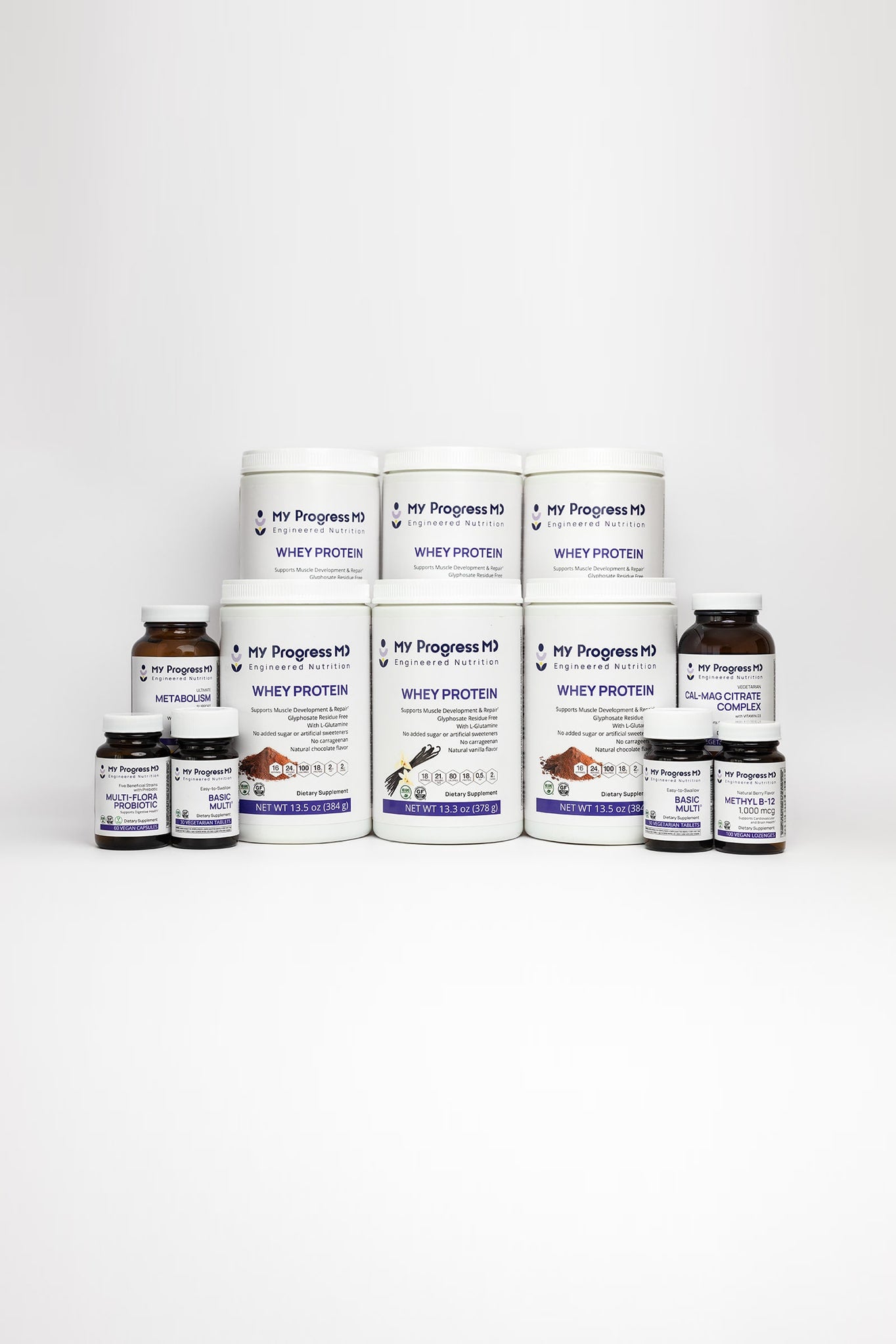
My Progress MD focuses on nutritional supplementation designed to support specific wellness goals. A strong nutritional foundation is important for women who want to maintain healthy habits and support their overall well-being.
Balanced meals, adequate protein, essential vitamins, minerals, and healthy lifestyle habits all contribute to a practical approach to nutritional wellness.
Targeted supplementation may complement dietary intake when additional nutritional support is appropriate. The right approach should consider individual needs, dietary habits, and wellness goals.
Conclusion
Nutrition for hormonal wellness starts with giving the body the nutrients it needs to function properly. Protein, healthy fats, fibre, iron, magnesium, calcium, and vitamin D all support important physiological processes.
A balanced diet, regular physical activity, quality sleep, and effective stress management can help support women's overall wellness at different stages of life.
There is no single diet that works for every woman. Building consistent eating habits and choosing foods that meet individual nutritional needs can create a stronger foundation for long-term health.
Explore My Progress MD for nutritional support and wellness solutions that complement your health goals. You can also get in touch with our team to learn more about supporting your nutritional wellness.
Frequently Asked Questions
1. How does nutrition support women's hormonal wellness?
Nutrition provides essential nutrients that support hormone production, metabolism, reproductive functions, and overall health. A balanced diet with protein, healthy fats, fibre, vitamins, and minerals supports normal body functions.
2. What are the best foods for hormonal wellness?
Leafy greens, berries, whole grains, eggs, fish, lentils, nuts, seeds, and yoghurt provide important nutrients. Eating a variety of these foods can help support overall wellness.
3. Does protein support hormonal health?
Yes. Protein provides amino acids that support tissue repair, muscle maintenance, enzyme production, and other important body functions. Including protein in regular meals helps meet daily nutritional needs.
4. Why is iron important for women's nutrition?
Iron helps produce haemoglobin, which carries oxygen throughout the body. Women who menstruate may need more iron because of monthly blood loss. Lentils, spinach, beans, lean meat, and fortified cereals are useful sources.
5. Can nutrition support women during menopause?
Yes. Balanced nutrition can support bone health, muscle maintenance, digestive health, and overall wellness during menopause. Protein, calcium, vitamin D, fibre, and healthy fats are useful parts of a balanced diet.