
Personalized Metabolic Wellness Plans for Your Health Goals

Metabolic wellness is not the same for everyone. Your nutrition needs, activity level, daily habits, health goals, and lifestyle can all influence how you approach your overall wellness. That is why a structured plan designed around your individual needs can be more practical than following a generic diet or wellness routine.
A personalized metabolic wellness plan brings different areas of wellness together. Personalized nutrition, healthy lifestyle habits, appropriate supplementation, and professional guidance can work together to create a more structured approach to metabolic health.
Instead of focusing on a single goal or one supplement, a personalized approach considers the bigger picture. Your current needs and goals can help shape a wellness strategy that is easier to understand, follow, and adjust over time.
At My Progress MD, programs are organized around different individual needs, including weight management, fitness and healthy aging, GLP-1 support, bariatric nutrition, surgery preparation, recovery, and women's wellness.
What Is a Personalized Metabolic Wellness Plan?
A personalized metabolic wellness plan is a structured approach to supporting metabolic health based on an individual's goals, nutritional needs, lifestyle, and circumstances.
Rather than recommending the same routine to everyone, personalization allows different elements of wellness to work together. These may include food choices, protein intake, physical activity, sleep, hydration, daily habits, and targeted nutritional support.
The purpose is not to create an overly complicated routine. A good plan should provide a clear direction while allowing room for individual needs and changes over time.
For example, someone focused on healthy weight management may need a different strategy from someone focused on maintaining lean muscle, supporting fitness, navigating nutritional changes, or aging well.
Why Personalized Metabolic Wellness Matters
Metabolic wellness involves more than body weight. Nutrition, physical activity, body composition, energy balance, and everyday habits all contribute to an individual's overall health and wellness.
A generic wellness plan may not account for differences in age, activity, dietary preferences, current habits, or specific health goals. A personalized approach can help make recommendations more relevant to the person following them.
This is one reason a metabolic health plan can be useful. Instead of concentrating on one isolated habit, it provides a framework for considering several factors together.
Personalization can also make healthy changes more manageable. When recommendations fit your daily routine and priorities, it may be easier to build consistency and maintain those habits over time.
How Personalized Nutrition Supports Metabolic Wellness
Nutrition is an important part of a personalized metabolic wellness plan. However, there is no single diet that works equally well for every adult.
A personalized nutrition approach considers the foods you regularly eat, your nutritional priorities, your lifestyle, and your health goals. It can help identify practical ways to improve meal quality and consistency without relying on unnecessary restrictions.
Building Balanced Meals
Balanced meals can provide protein, fiber, healthy fats, carbohydrates, vitamins, and minerals that support everyday nutritional needs.
Protein can be particularly important when supporting lean muscle and healthy body composition. Fiber-rich foods can also contribute to a balanced eating pattern and digestive health.
The goal is not to eliminate entire food groups without reason. Instead, a customized nutrition plan can help you understand how different foods fit into your overall wellness strategy.
Adjusting Nutrition to Individual Goals
Nutritional priorities can change depending on the goal. Someone working toward weight management may have different priorities from someone focused on fitness, recovery, or healthy aging.
A personalized approach allows nutritional choices to support the specific outcome you are working toward while maintaining a balanced overall eating pattern.
The Role of Lifestyle Habits in Metabolic Wellness
Nutrition is only one part of a complete metabolic wellness strategy. Daily lifestyle habits also influence how sustainable a wellness plan can be.
Regular physical activity, adequate sleep, hydration, stress management, and consistent meal patterns can all contribute to a healthier routine.
Physical Activity and Healthy Body Composition
Physical activity supports strength, mobility, and overall physical function. Resistance exercise can be particularly valuable for adults who want to support lean muscle and body composition.
A personalized plan can help connect nutrition with an appropriate level of physical activity. This creates a more complete approach rather than treating food and exercise as separate goals.
Sleep and Daily Recovery
Sleep is another important part of a sustainable wellness routine. Consistent, restorative sleep supports everyday physical and mental functioning.
A wellness strategy should consider whether your current routine allows enough time for sleep and recovery. Small, consistent improvements may be more sustainable than trying to change every habit at once.
How Supplementation Can Fit Into a Personalized Plan
Supplements can have a role in a personalized wellness strategy when they are appropriate for an individual's needs. However, supplementation should complement a balanced nutrition routine rather than replace healthy food choices.
Nutritional needs can vary depending on factors such as dietary intake, lifestyle, life stage, and individual circumstances. This makes it important to consider why a supplement is being used and whether it fits the overall plan.
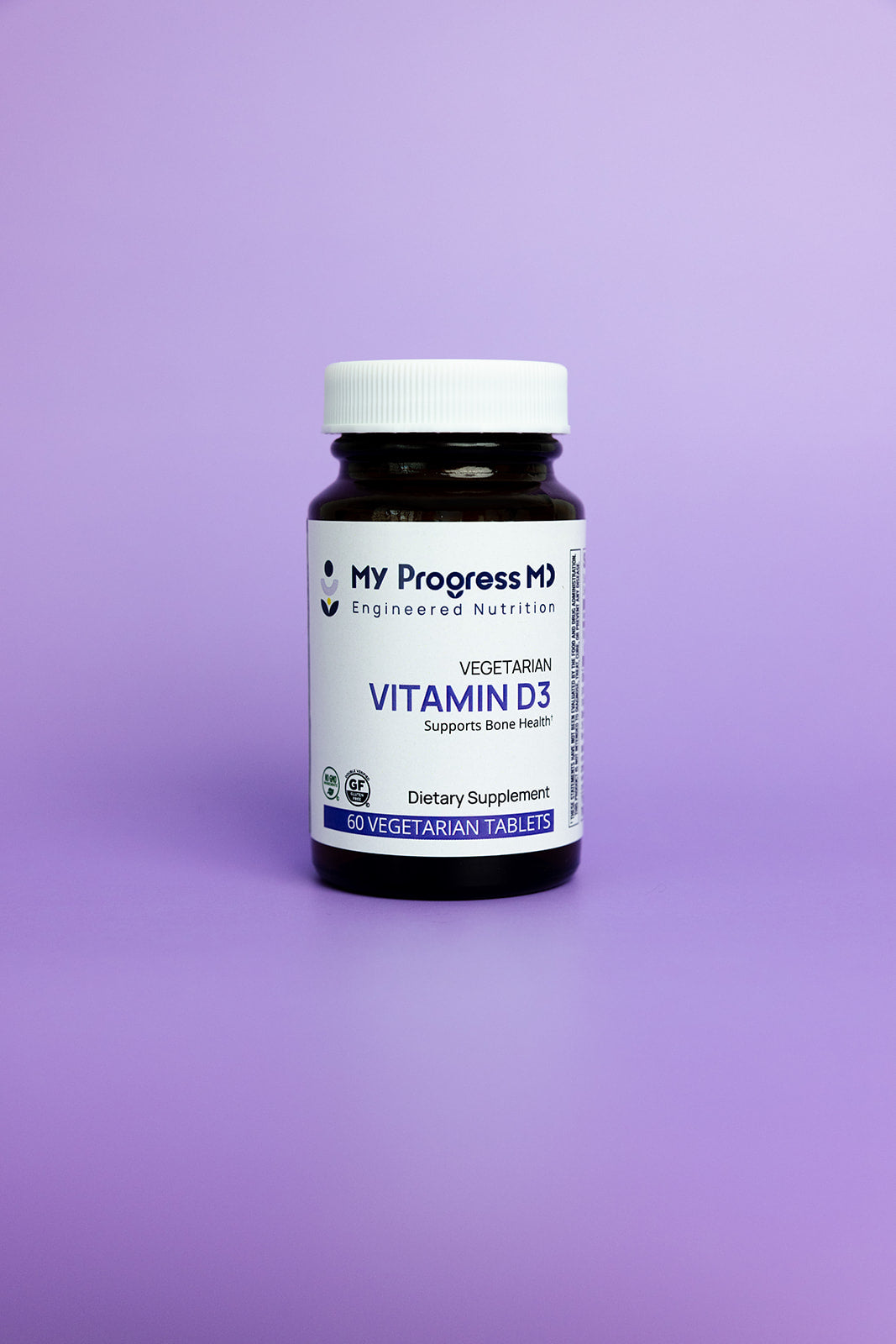
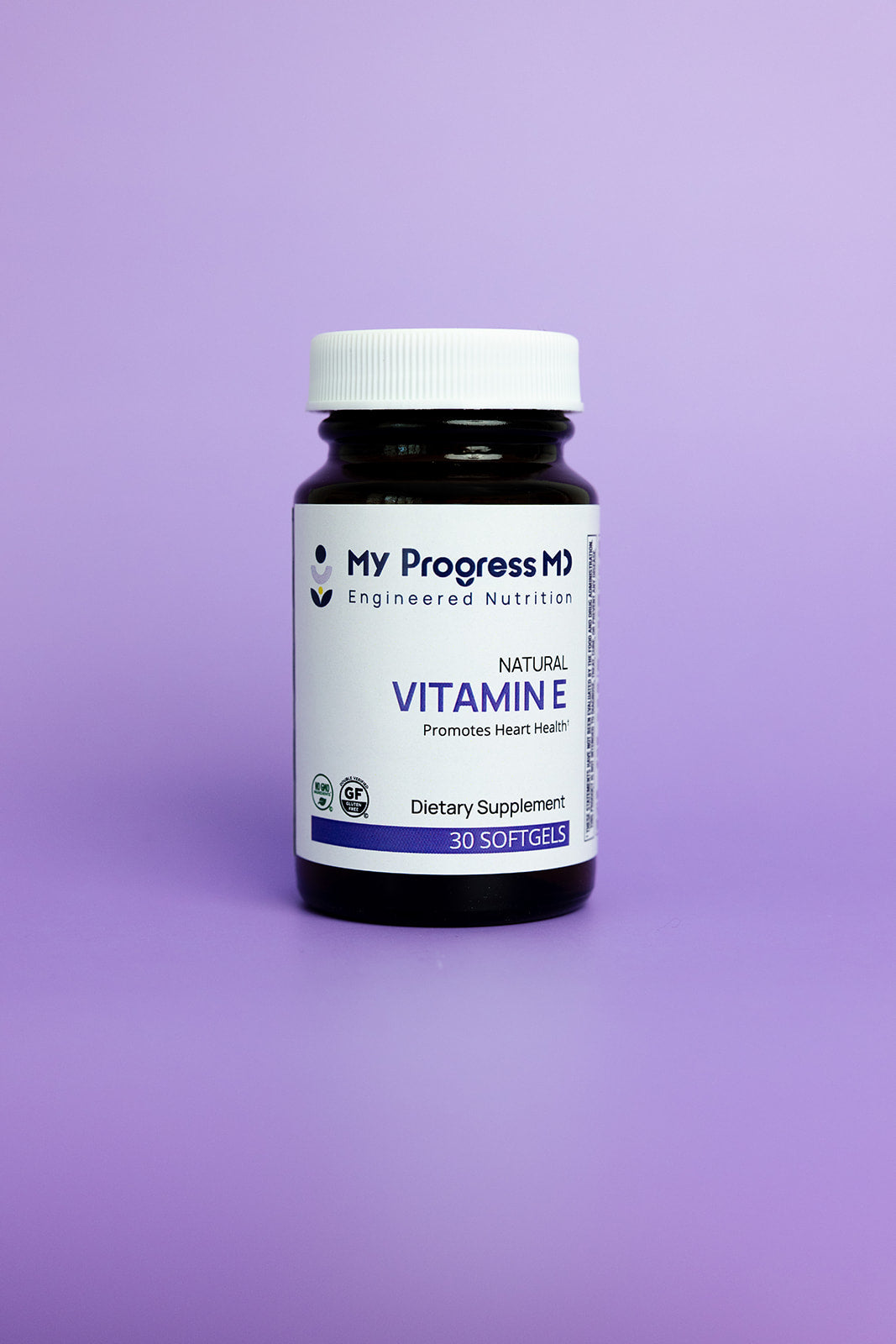
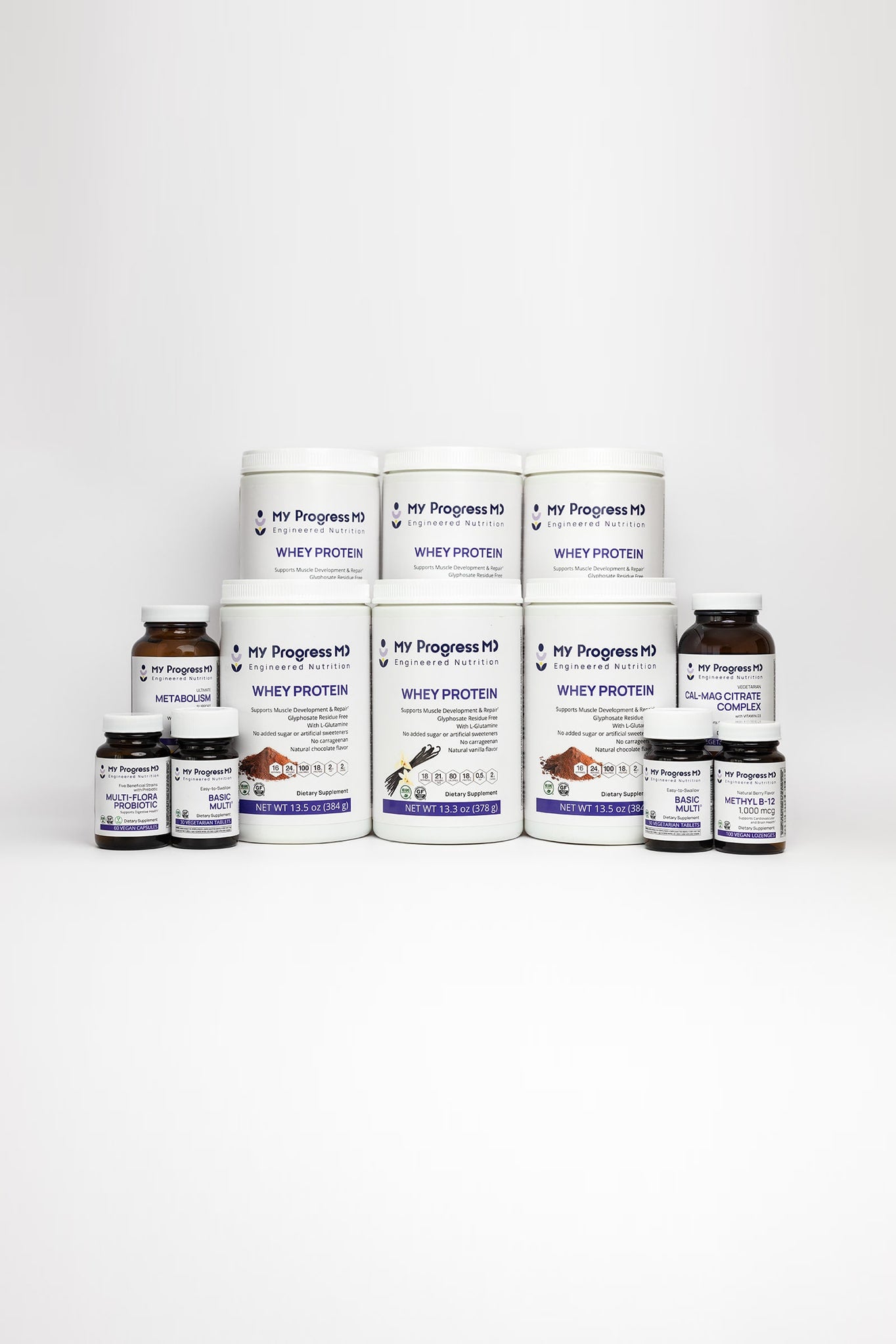
My Progress MD offers targeted program options designed around different situations, including weight management, GLP-1 use, bariatric nutrition, surgery preparation, recovery, women's wellness, and fitness and healthy aging.
A supplement strategy should therefore be considered as part of a broader plan rather than as a standalone solution.
The Importance of Professional Guidance
One of the most valuable parts of a personalized metabolic wellness plan is appropriate professional guidance.
Wellness goals can be influenced by many factors, including current nutrition, medications, physical activity, health history, and changes in lifestyle. Professional guidance can help determine which areas deserve attention and how different parts of a plan should work together.
This can also help prevent an overly restrictive or unnecessarily complicated approach.
Professional guidance is especially important when someone is considering significant dietary changes, using medications that affect nutrition or appetite, preparing for surgery, recovering from illness or surgery, or managing other individual health considerations.
My Progress MD's current approach is program-first, with different pathways based on the individual's situation and goals. The website also provides a quiz designed to help users identify a program that may fit their needs.
Creating a Sustainable Metabolic Wellness Strategy
A successful metabolic wellness strategy should be realistic enough to follow consistently. Trying to change nutrition, exercise, sleep, supplementation, and every other daily habit at the same time can feel overwhelming. A better approach may be to identify the most important priorities first and build from there.
For example, improving meal consistency may be the first step. Once that becomes easier, you may focus on regular physical activity, sleep habits, hydration, or another area that supports your goals.
The right approach can also change over time. Your needs may be different as your activity level, body composition, lifestyle, or health goals change.
This flexibility is an important part of personalization. A wellness plan should support progress while allowing adjustments when your circumstances change.
Who Can Benefit From a Personalized Metabolic Wellness Plan?
A personalized metabolic wellness plan can be useful for adults who want a more structured approach to their wellness goals. It may be particularly relevant for people working toward healthy weight management, supporting lean muscle, improving nutritional consistency, maintaining fitness, or navigating changes related to aging.
It can also be useful for individuals who are unsure where to begin and want a clearer framework for connecting nutrition, lifestyle habits, and nutritional support.
The most important consideration is that the plan should reflect the individual's needs rather than simply copying a routine designed for someone else.
Making Your Wellness Goals More Personal
A personalized approach starts by identifying what you want to improve. Your goal could involve supporting healthy weight management, maintaining lean muscle, improving your nutrition, supporting fitness, or developing healthier habits. Once the goal is clear, nutrition and lifestyle choices can be organized around it.
This approach can make wellness feel more manageable because each recommendation has a purpose.
Instead of asking which diet or supplement is best for everyone, the better question is which approach makes sense for your current needs and goals.
Conclusion
A personalized metabolic wellness plan provides a structured way to connect nutrition, lifestyle habits, supplementation, and professional guidance around individual health goals.
Personalized nutrition can help create a more appropriate eating pattern, while physical activity and healthy lifestyle habits can support strength, body composition, and consistency. When appropriate, targeted supplementation can complement the broader plan.
The goal is not to follow a complicated routine or rely on one solution. It is to create a sustainable approach that fits your needs and can be adjusted as those needs change.
My Progress MD takes a program-first approach that helps adults choose support based on their current situation, including weight management, fitness and healthy aging, GLP-1 support, bariatric nutrition, recovery, and other wellness needs.
If you are looking for a more structured approach to your wellness goals, explore My Progress MD to learn more about available programs and personalized wellness support.
Frequently Asked Questions
1. What is a personalized metabolic wellness plan?
A personalized metabolic wellness plan is a structured approach that considers an individual's nutrition, lifestyle habits, supplementation needs, and wellness goals. It is designed to provide a more relevant approach than following a general wellness routine.
2. What does a metabolic health plan include?
A metabolic health plan may include personalized nutrition, physical activity, healthy lifestyle habits, appropriate supplementation, and professional guidance. The specific approach can vary depending on an individual's goals and circumstances.
3. Why is personalized nutrition important for metabolic wellness?
Personalized nutrition considers individual food preferences, nutritional needs, lifestyle, and wellness goals. This can make it easier to develop balanced eating habits that are practical and sustainable.
4. Can supplements be part of a personalized wellness plan?
Yes. Appropriate supplements may complement a balanced nutrition routine when they fit an individual's needs. Supplements should not replace nutritious foods or professional medical guidance.
5. How does lifestyle affect metabolic wellness?
Lifestyle habits such as physical activity, sleep, hydration, stress management, and consistent eating patterns can contribute to overall wellness. Combining these habits with appropriate nutrition can create a more complete metabolic wellness strategy.