
How to Prevent Muscle Loss While Taking GLP-1 Medications

To prevent muscle catabolism on GLP-1 medications, patients must prioritize adequate daily protein intake and consistent resistance training. Without these targeted lifestyle interventions, up to 40% of the weight lost can come from lean muscle mass rather than fat tissue.
Recent clinical trials observing patients on semaglutide and tirzepatide highlight a profound shift in body composition. While these medications are highly effective for weight management, the rapid reduction in appetite often leads to a severe calorie deficit. When the body lacks sufficient energy and amino acids, it breaks down existing muscle tissue for fuel. Protecting your lean body mass is critical not just for physical strength, but for maintaining a healthy metabolic rate.
Why Muscle Loss Happens on GLP-1s
Muscle loss on Ozempic/Wegovy and similar GLP-1 receptor agonists occurs primarily because patients simply cannot eat enough food to sustain their baseline muscle mass. The delayed gastric emptying that makes you feel full also makes it incredibly difficult to consume large, protein-dense meals.
To counteract this, a well-structured GLP-1 diet plan is non-negotiable.
Recommended Daily Protein Intake by Weight/Goal
To preserve lean mass, dietary guidelines recommend significantly higher protein intake during rapid weight loss.
|
Patient Profile / Goal |
Recommended Daily Protein Target |
Timing & Frequency |
|---|---|---|
|
General Weight Loss (Under 200 lbs) |
0.8g - 1.0g per pound of body weight |
Split across 3-4 small meals |
|
General Weight Loss (Over 200 lbs) |
60g - 90g minimum baseline |
Consume 20g-30g per sitting |
|
Active / Resistance Training |
1.0g - 1.2g per pound of lean mass |
Post-workout window prioritized |
Strategies for Hitting Your Macros When Appetite is Low
1. Leverage High-Quality GLP-1 Protein Supplements
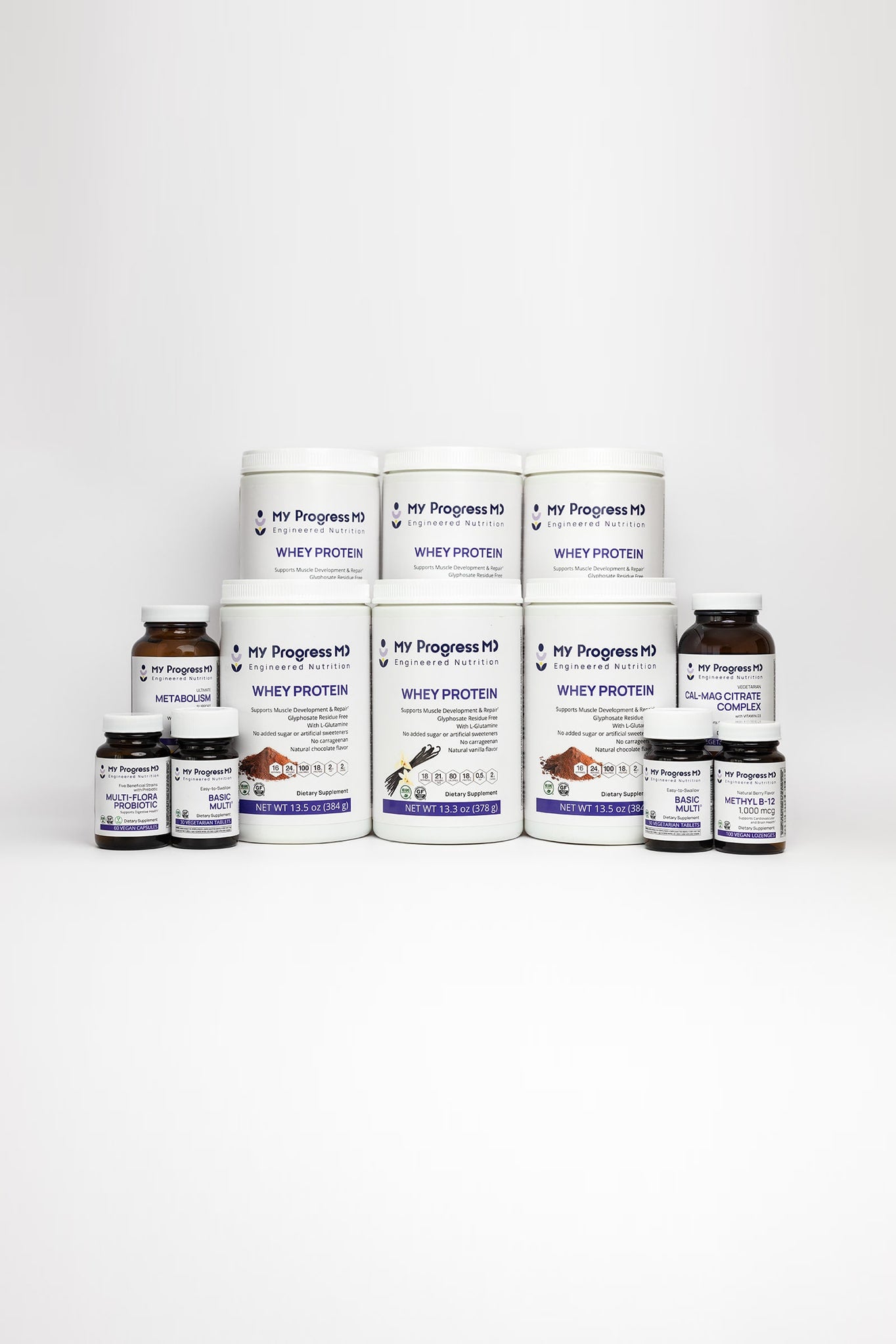
When the thought of eating a chicken breast induces nausea, drinking your protein is often the most effective solution. GLP-1 protein supplements are designed to be easily digestible and low in volume, delivering 20 to 30 grams of whey or plant-based isolate without sitting heavily in the stomach.
2. Prioritize Protein First
Always consume the protein portion of your meal before moving on to complex carbohydrates or vegetables. Because you will get full quickly, securing your amino acids first ensures your muscles receive the necessary building blocks.
3. Implement Comprehensive GLP-1 Nutrition Support
Nutritional gaps go beyond just macronutrients. Muscle function relies heavily on electrolytes, Vitamin D, and B-vitamins. Integrating dedicated GLP-1 nutrition support into your daily routine ensures your body has the micronutrients required for cellular repair and energy production.
4. Engage in Progressive Resistance Training
Diet alone cannot save muscle tissue. You must send a biological signal to your body that your muscles are necessary. Aim for two to three days a week of strength training, focusing on compound movements like squats, presses, and rows.
Frequently Asked Questions (FAQ)
Do I need a protein shake on a GLP-1?
While you can theoretically meet your needs through whole foods, the restricted appetite associated with GLP-1s makes this very difficult for most patients. A protein shake is a highly recommended tool to conveniently meet your daily macro goals without forcing yourself to eat large meals.
How much protein is enough?
A general baseline for individuals on medical weight loss programs is 60 to 90 grams daily, though active individuals or those with higher lean mass may require closer to 100+ grams.
Can I regain lost muscle?
Yes. If you have experienced muscle loss, stabilizing your caloric intake, significantly increasing your protein, and beginning a hypertrophic strength training program can help rebuild lean tissue over time.
Disclaimer: The information provided in this article is for educational purposes only and is not intended as medical advice. Always consult your prescribing physician or a registered dietitian before making changes to your diet, exercise routine, or supplement regimen while taking GLP-1 medications.